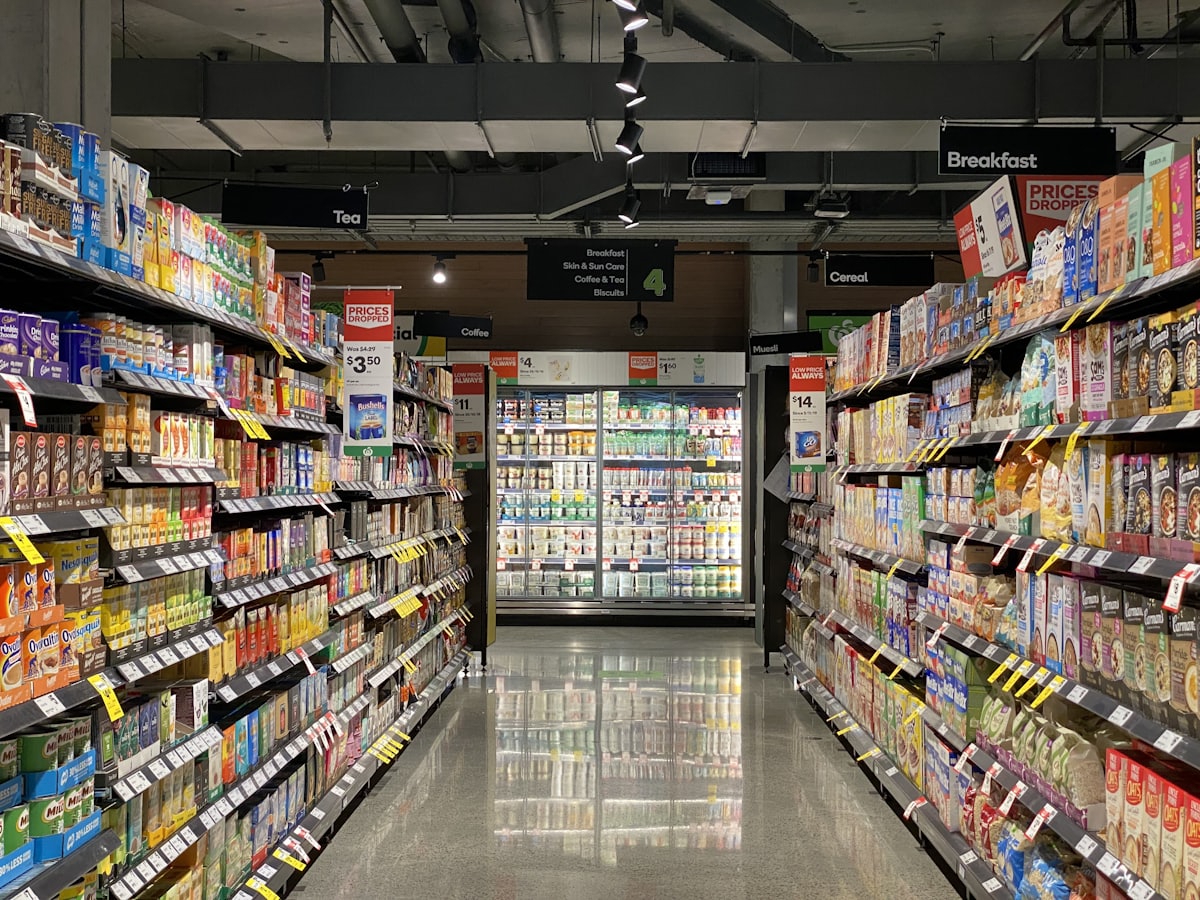
The fastest-growing corner of retail
Quick commerce is one of the fastest-growing segments in retail, with market estimates for 2026 ranging from roughly $200 billion to over $500 billion globally depending on methodology, and growth rates between 20% and 34% a year, multiple times faster than traditional e-commerce.
Dark store and micro-fulfillment center infrastructure is expanding even faster, with some market forecasts projecting 35%-plus annual growth as retailers convert existing space into hyperlocal fulfillment hubs. Roughly 77% of customers now expect delivery within two hours, and a meaningful share of the market has compressed that expectation down to 10 to 30 minutes.
No room for slack
That kind of promise window leaves almost no room for the kind of slack that longer-delivery models can absorb. A courier network with a same-week SLA can reroute around a bad afternoon. A 15-minute grocery promise cannot. That's exactly the environment ATLAS's zone and risk architecture was built for.
Zones are already the unit
The platform's core abstraction, demand zones instead of individual addresses, is already the unit dark store operators think in, whether they call it a catchment area or a delivery radius. ATLAS's supply and demand ratio and disruption index per zone become the direct input for one of q-commerce's biggest operational questions: where does the next micro-fulfillment center go, and is the existing network keeping up with demand shifts in real time rather than in last quarter's report.
Dark-store load is kitchen load
The order-risk model, tuned in food delivery around merchant kitchen concurrency as a leading signal, translates almost one-to-one into dark-store load. A dark store running over capacity during a demand spike is the same signal as a restaurant kitchen backing up during a dinner rush, and it's exactly the kind of factor that predicts a late order well before it happens. The DCC's live shift-health view, busy versus free drivers, under-supplied zones, late and unassigned orders, applies without modification to a q-commerce fleet running tighter windows than food delivery ever did.
Forecasting at the zone level
Where this gets genuinely valuable is demand forecasting at the zone level rather than the citywide level. Q-commerce operators are already investing heavily in AI-driven demand forecasting to decide dark store placement and staffing, and ATLAS's zone-level baselines, comparing today's actual load against that specific zone's historical pattern rather than a flat city average, is a materially sharper input than most forecasting tools currently use.